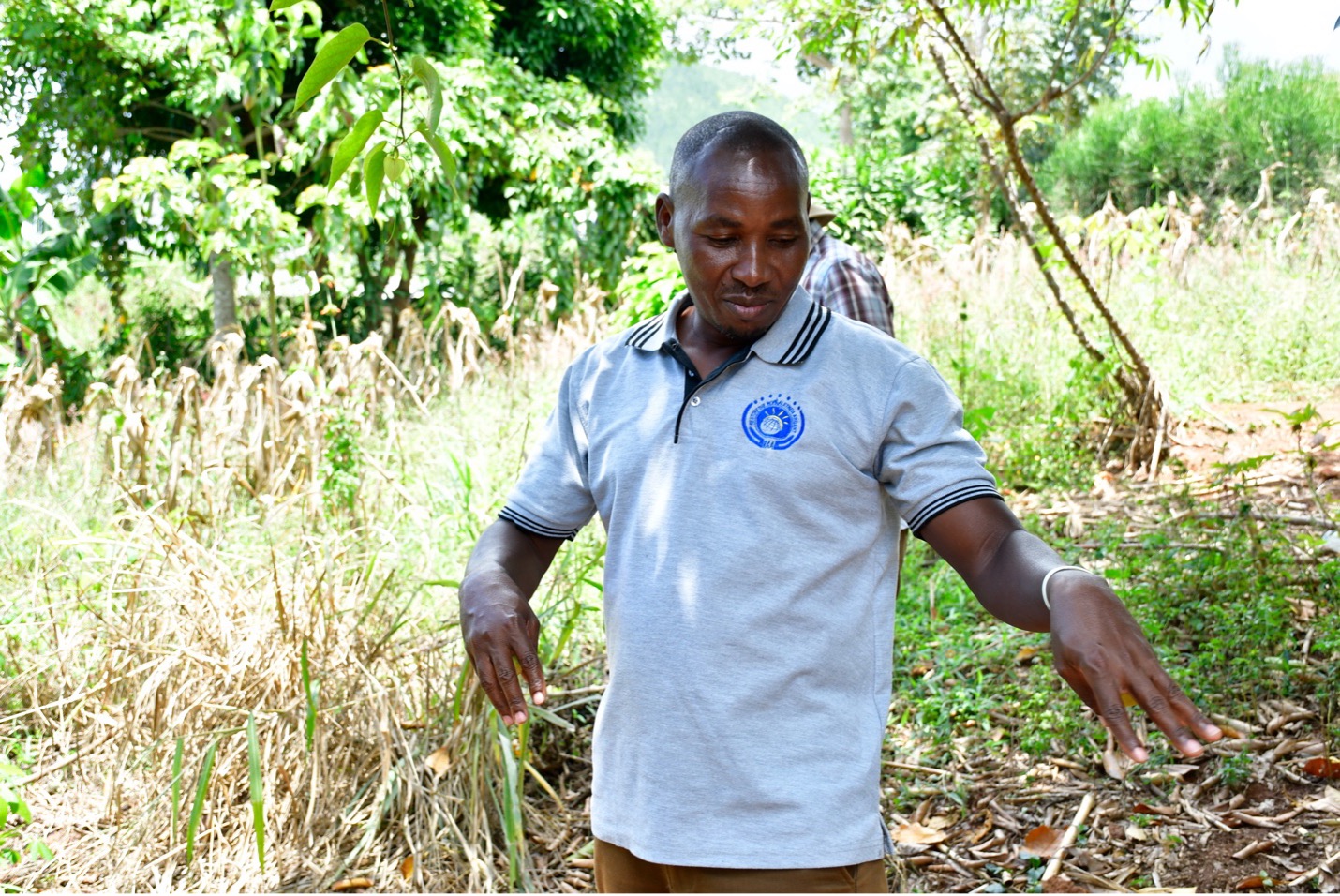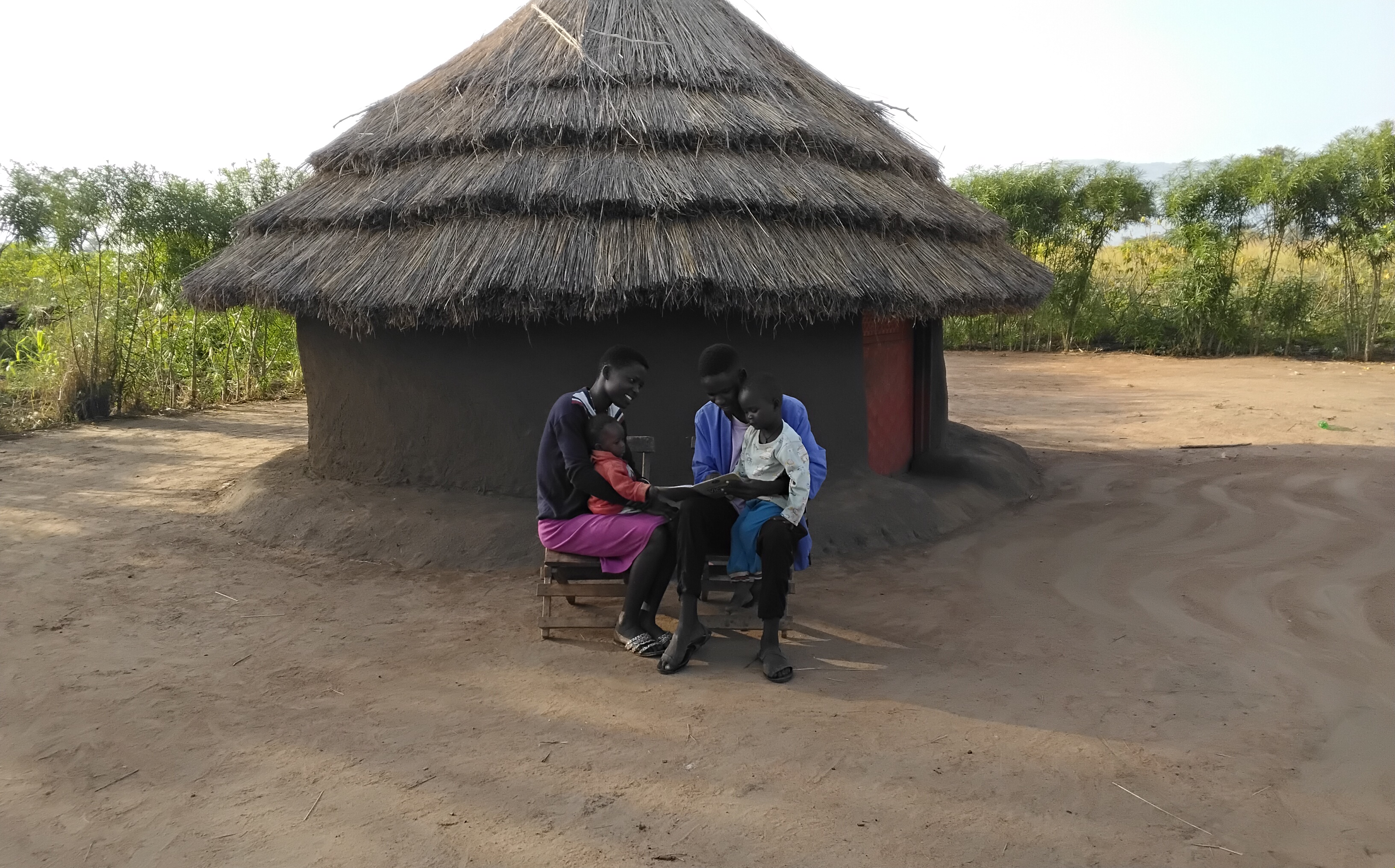
In Napak District, many families depend on the land for food and income. When the rains are good, households can harvest enough to eat and sell. But when the rains fail, the effects are felt across the entire family.
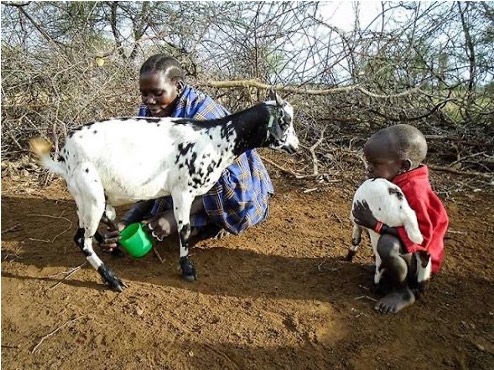
For some parents, a poor harvest means losing their main source of income. It can become difficult to provide enough food, buy scholastic materials or meet other household needs. This was the reality faced by Putan Lucia, Teko Anna and many other families in Lorengechora Sub-county when inadequate rainfall affected crop production during the 2026 planting season.
Yet their experiences also show how families are learning to respond differently to hardship. Through the Child-Centred Community Development (CCCD) Project, implemented by Share An Opportunity Uganda (SAO Uganda) with support from Help a Child, families in Napak are organising themselves into Self-Help Groups, developing alternative sources of income and learning positive parenting practices.
The changes often begin with very little: UGX 1,000 saved every week, a small loan, five chickens, one goat, or even ten minutes spent learning with a child at home. But for the families involved, these small beginnings are making a meaningful difference.
Turning a failed harvest into a business opportunity
For 28-year-old Putan Lucia, a mother of four from Nageret Village, farming had always been central to her family's livelihood. Like many farmers in the area, Lucia depended on seasonal rainfall. When inadequate rains destroyed her crops during the 2026 planting season, she was left with little to fall back on. Fortunately, Lucia had joined the Lokorete Emorikinos Self-Help Group in March 2026.
She began saving UGX 1,000 every week and participated in regular group meetings where members learned financial literacy and basic business skills. Instead of allowing the failed harvest to end her plans, Lucia started looking for another way to earn an income. She noticed that although the drought had affected many farmers, a few had managed to harvest fresh beans. At the same time, there was demand for beans at Lorengechora Trading Centre.
Lucia borrowed UGX 100,000 from her Self-Help Group and bought fresh beans directly from local farmers. She transported them to the trading centre and sold them to households and restaurants.
What began with one small loan developed into a dependable cereal trading business.On successful market days, Lucia now earns between UGX 150,000 and UGX 180,000. The additional income enables her to provide nutritious meals for her children, buy scholastic materials, meet household needs and continue saving with her group.
Lucia still faces challenges, including changing market prices and competition from established traders, but she now has another source of income besides farming.
Her experience is an example of how families can become less vulnerable when they have access to savings, knowledge and small amounts of affordable credit.
Five chickens opened another door
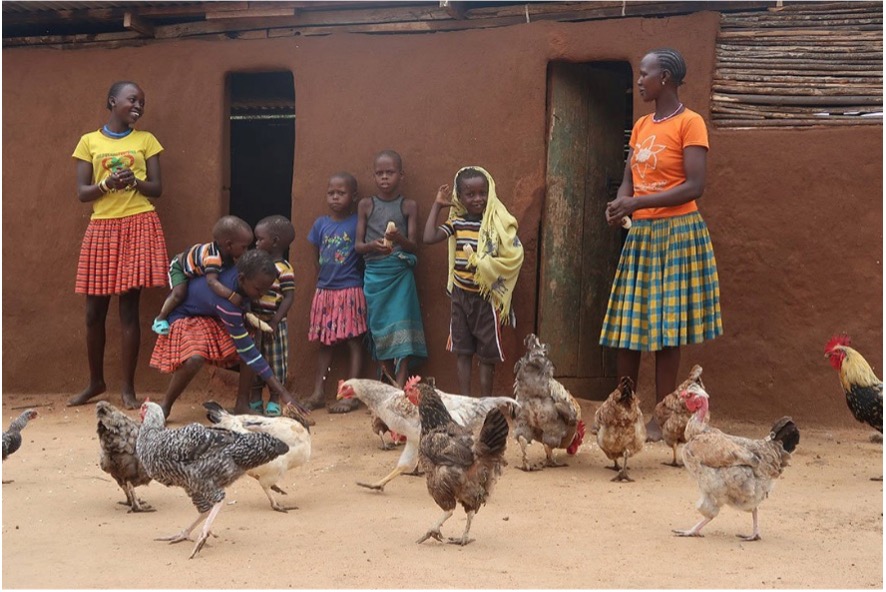
In Kalengeriae Village, Okono Madelena, a 50-year-old mother of seven, was also looking for a way to strengthen her household income.
In January 2026, she joined 19 other women to form the Emorikinos Etoploto Ayoko Kwap Self-Help Group. Each member committed to saving UGX 1,500 every week. After three months of consistent saving, Madelena qualified for a loan of UGX 50,000. She could have used the money to meet immediate household expenses. Instead, she decided to invest it in five local chickens.
Two weeks later, the chickens began laying eggs. Madelena sold her first 36 eggs at UGX 500 each and earned UGX 18,000. Rather than spending the money, she reinvested it and bought two more chickens. As the business grew, she began buying mature chickens from surrounding villages at wholesale prices and reselling them at Lorengechora Trading Centre.
The small poultry investment gradually became a reliable source of income.
Today, Madelena is better able to provide nutritious meals for her seven children, pay school fees on time and purchase scholastic materials. Her experience demonstrates one of the principles behind the Self-Help Group approach: people do not always need a large amount of capital to begin changing their circumstances.
Sometimes, what matters is access to a small opportunity and the knowledge to use it well.
One goat helped Anna recover from drought
For Teko Anna, a 41-year-old mother of five from Katulatyang Village, the effects of drought were devastating. Anna had planted five acres of maize, beans and sunflower. Her family depended heavily on what she expected to harvest.
Then the rains failed. The entire crop was destroyed, taking with it months of work and the family's expected food and income. But Anna had joined the Okienyutu Oyiara Self-Help Group in January 2026 and had been consistently saving UGX 1,000 every week. When members became eligible to borrow, Anna chose not to immediately return to crop farming while the weather remained uncertain. Instead, she borrowed UGX 150,000 and bought one goat.
Within a month, the goat gave birth to a healthy kid. One goat had become two. The animals now provide milk for Anna's five children while also giving the household an asset that can continue multiplying. For Anna, this was more than an increase in livestock.
After losing an entire crop, the goats gave her another livelihood option and renewed confidence in her ability to recover from a difficult season. She now hopes to take another loan from the group and invest in chickens so that she can earn regular income from selling eggs.
Stronger livelihoods, stronger homes
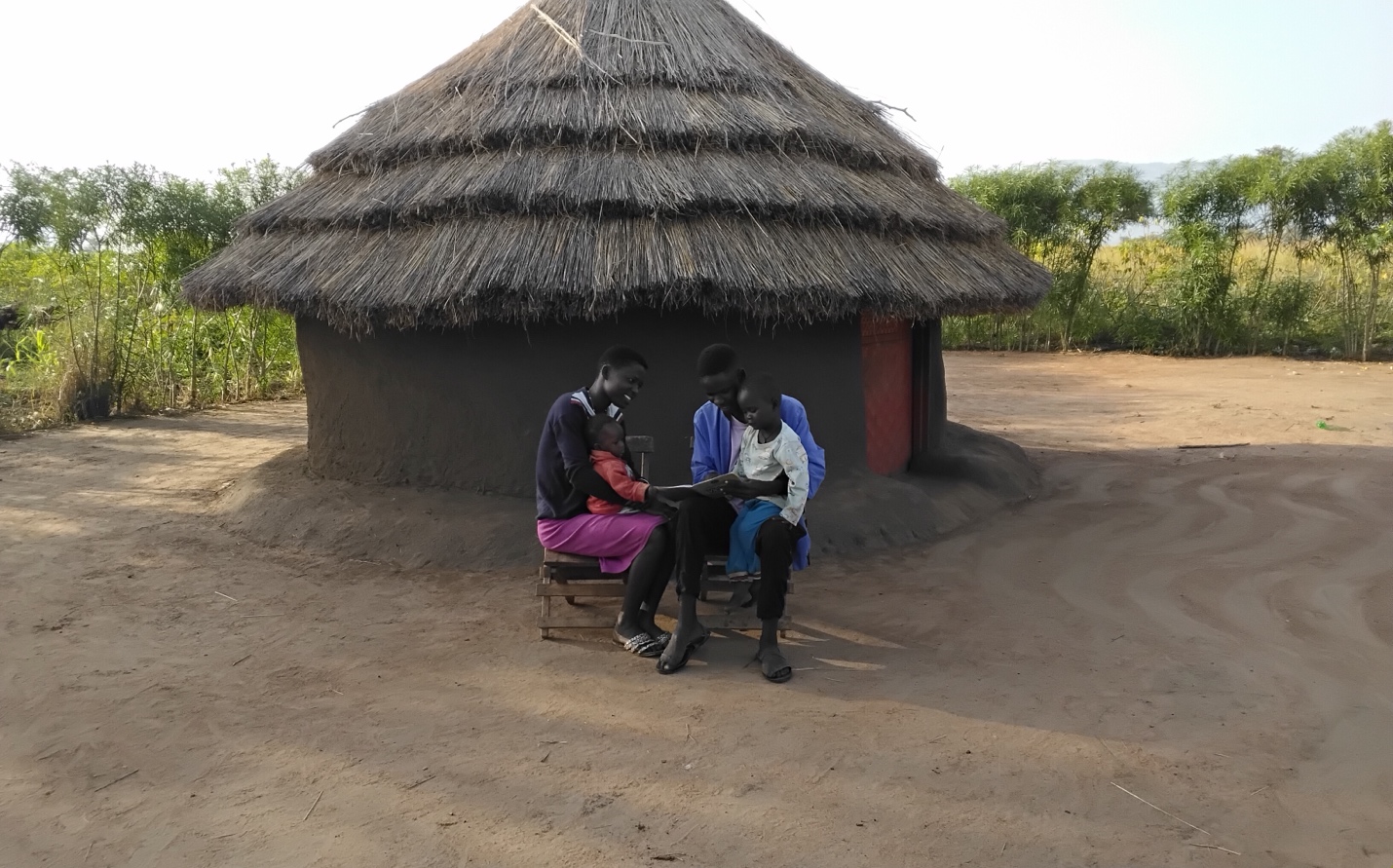
While savings and small businesses are helping families improve their income, the CCCD Project also recognises that children's wellbeing depends on more than what parents can provide financially.
In Kainakatamol Village, Samuel Abura and Magdalene Lomuria learned this through the project's Positive Parenting Programme. The couple is raising two young children, including a four-year-old son attending the community Early Childhood Development Centre.
Before participating in the programme, Samuel and Magdalene believed their responsibility towards education was mainly to send their son to school and occasionally provide books. Once their child entered the classroom, teaching became the teacher's responsibility.
When he returned home with activities such as counting or drawing circles, they would tell him to wait and ask his teacher the following day. They also believed that young children were too young to begin serious learning. Their understanding changed after participating in Positive Parenting sessions facilitated by trained Trainers of Trainers.
The programme reached 120 parents — 60 men and 60 women — in Kainakatamol Village, covering children's educational journeys, the importance of Early Childhood Development and practical ways parents can support learning at home. Samuel and Magdalene learned that parents are also teachers and that learning does not require expensive materials.
Today, their home looks different. Every evening, the couple spends at least ten minutes helping their son learn. Samuel uses sticks and stones to teach him counting. Magdalene encourages him to sing songs learned at school, draw shapes and complete simple activities. For Samuel, the change has also affected how he understands his responsibilities as a father.
“Now I teach my son how to count using sticks and stones. I create time to play with my children, and I also support my wife with household chores,” he says.
Magdalene is also a member of the Sunflower Self-Help Group. Through saving and borrowing, she can access money for school requirements when necessary, helping prevent their son from being sent home. The couple's commitment has been recognised beyond their household.
Community members selected Samuel and Magdalene as a Model Couple, while Magdalene was appointed as a Parenting Trainer of Trainers. They now use church gatherings, community meetings and Self-Help Group sessions to encourage other parents to play with their children, support learning at home, practise good hygiene and create nurturing environments.
Through these platforms, they are reaching approximately 120 parents and caregivers.
Change that starts within the community
Lucia's cereal business, Madelena's poultry enterprise, Anna's goats and Samuel and Magdalene's approach to parenting may appear to be separate achievements. Together, however, they show how the CCCD Project is approaching child wellbeing in Napak. Children live within families, and the challenges affecting those families eventually affect the children.
When a parent's crops fail, a child's meals and education can be affected. When household income is unstable, buying scholastic materials becomes difficult. And even when parents can provide materially, children still need their time, attention, protection and encouragement.
This is why the project combines economic strengthening with positive parenting and child development.Self-Help Groups are giving caregivers a safe and practical way to save regularly, access small loans and invest in alternative livelihoods. Positive Parenting sessions are helping parents understand their role in children's education, protection and development.
The approach is particularly important in Napak, where unpredictable rainfall can quickly disrupt livelihoods that depend heavily on farming. For Lucia and Anna, the drought still happened. Their crops still failed. What changed was their ability to respond. Lucia could borrow UGX 100,000 and start trading beans.
Anna could invest in a goat instead of immediately risking another crop. Madelena showed what disciplined saving and reinvestment could achieve with only UGX 50,000. And Samuel and Magdalene discovered that improving a child's wellbeing does not always require money. Sometimes it begins with parents giving their time and becoming more involved.