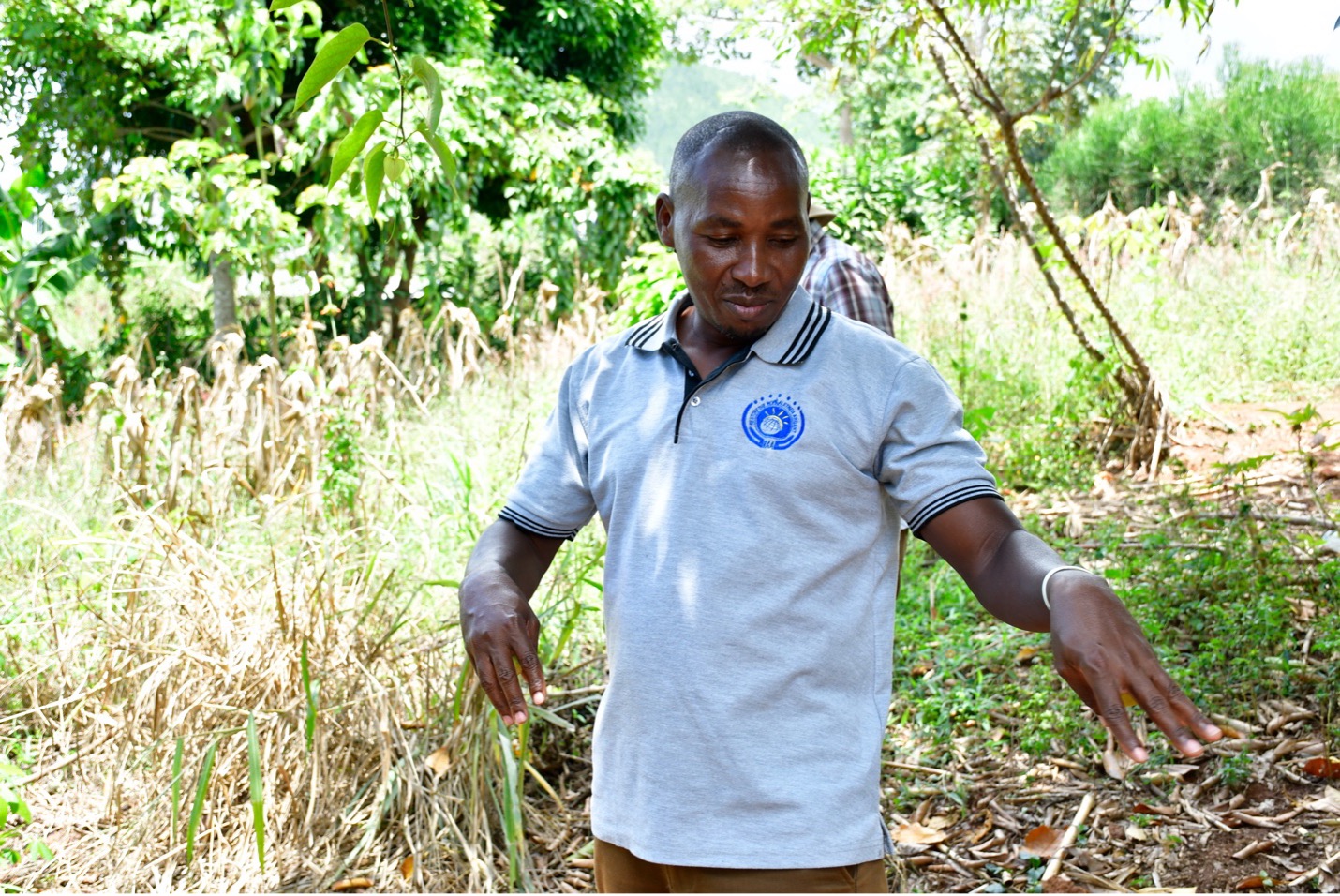
For many years, Pastor Tumusiime Emmanuel, widely known as Araali, dedicated his life to serving God and his community. As the Lead Pastor of Hoima City Baptist Church and Associate Overseer of the Baptist Union of Uganda's Western Region, he has faithfully ministered to thousands of people across western Uganda.
Like many households in the region, Pastor Emmanuel relied mainly on growing cassava, beans, and maize to support his family. While these crops met some of their basic needs, they offered limited opportunities to improve their livelihoods or build long-term financial security. He admits that, before engaging with Share An Opportunity Uganda, his family had untapped potential but lacked the knowledge to use the resources around them effectively.
"The first time Share An Opportunity Uganda came here, we were just redundant. We didn't know what to do. Since we started learning how to utilize the space and be creative, everything changed." He said
Through SAO Uganda's Church and Community Transformation initiative, Pastor Emmanuel participated in livelihood and enterprise development trainings, including a learning visit to Masaka. During the exchange visit, he witnessed communities successfully using coffee as a commercial enterprise while also learning practical lessons on savings, resource management, and sustainable farming. Inspired by what he saw, he returned home determined to put the knowledge into practice.
The first transformation began at home.
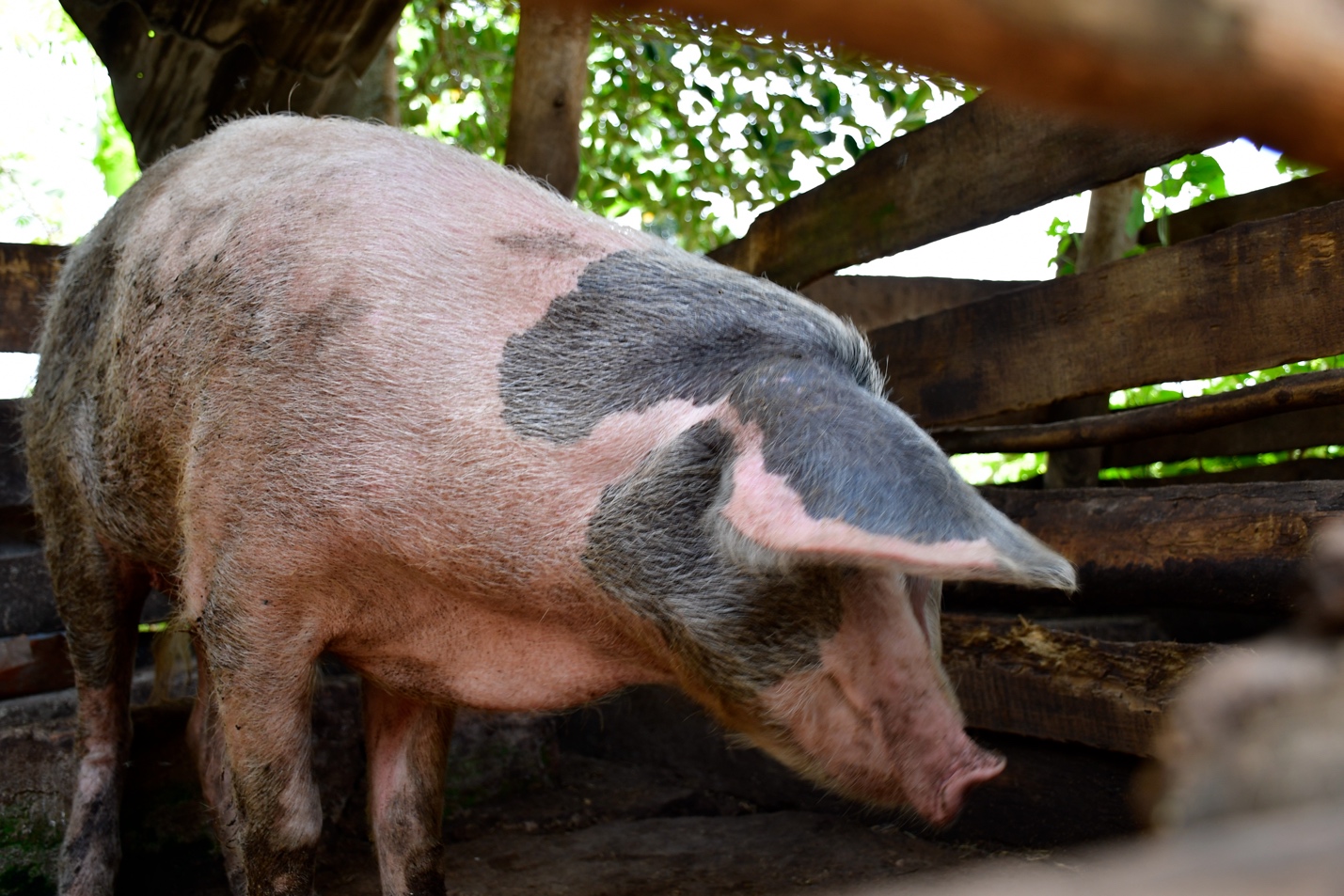
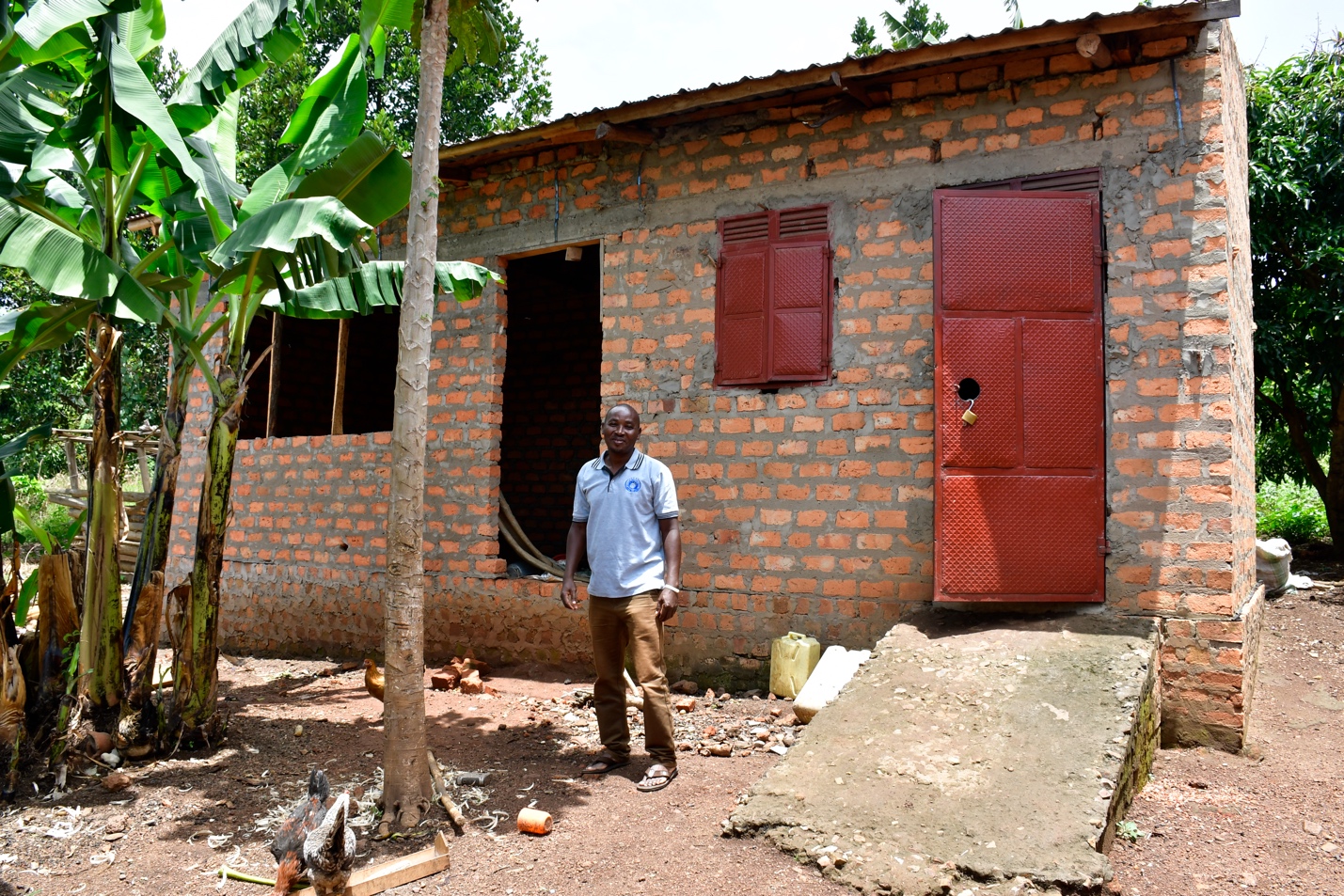
Together with his wife, they started a poultry enterprise using the space available around their home. What began as a small flock of broiler chickens has grown into a reliable source of food and income. Encouraged by the results, they invested in constructing a dedicated poultry house and later expanded into pig rearing.
Today, their farm produces eggs and chicken meat for household consumption while surplus birds are sold to generate income. The proceeds from poultry and pig sales help meet school expenses for their four sons, while their crop gardens continue to supply food for both the family and livestock.
"My children can have eggs whenever they want. They eat eggs, they eat meat, and we even sell some. My children who are in school are studying because of the chickens. The church doesn't pay me—I serve voluntarily—but when I sell a pig or chickens, my children go to school."
Beyond improving household income, the family has become more food secure. Instead of selling all their maize, they intentionally use part of the harvest to feed their poultry and pigs, reducing production costs while increasing profitability. This simple but strategic approach has strengthened the sustainability of their farming enterprises.
The benefits have extended far beyond Pastor Emmanuel's household.
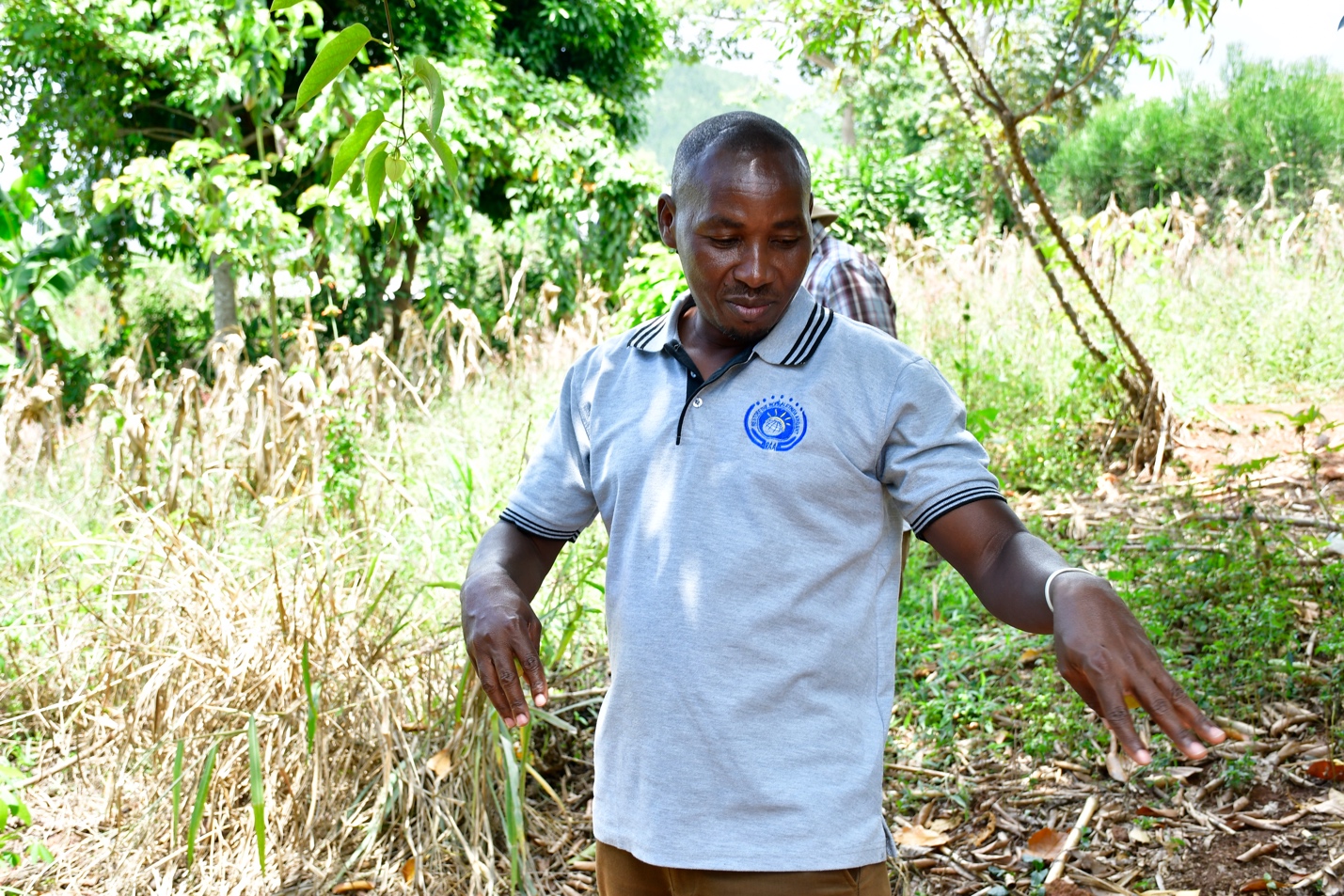
Inspired by the trainings, the church established a community savings group that brings together church members and other community residents to save collectively and support one another during times of need. Although the group continues to strengthen its leadership and management structures, it has already fostered greater unity and financial discipline among participants.
Perhaps the greatest transformation Pastor Emmanuel has witnessed is not financial—it is a change in mindset.
Instead of waiting for external assistance, many community members are beginning to recognize the value of utilizing their own resources, working together, and investing in sustainable livelihoods.
"The first important change I've seen is the mindset change. People are no longer only looking at getting support from outside. They are learning how to work together and use what they have."
As a church leader, Pastor Emmanuel believes this transformation should continue beyond individual households. Together with his wife, who regularly leads Bible studies and livelihood discussions with women in the village, they are intentionally integrating spiritual teaching with practical demonstrations on farming, savings, and income generation. Their vision is to establish demonstration projects where community members can learn by seeing successful practices firsthand.
Although he acknowledges that more training is still needed—particularly on sustaining enterprises over the long term—Pastor Emmanuel remains confident that the foundation has already been laid.
"We are now preaching the gospel of sustainability alongside the Gospel of Christ. We want people to see that faith and hard work can transform lives. If we continue learning and sharing these skills, more families and more children will have a better future."
Pastor Emmanuel's journey demonstrates that when churches are equipped with practical livelihood skills alongside spiritual leadership, they become powerful agents of transformation. Through the support of Share An Opportunity Uganda, one family's willingness to learn has grown into a ripple effect of hope, inspiring an entire community to embrace self-reliance, improve children's wellbeing, and build sustainable livelihoods.